
Schoharie Police Blotter Availability
Schoharie County publishes no verified Sheriff blotter. There is no weekly booking PDF and no searchable county arrest archive. There is no county-run mugshot archive either. The official jail page offers no public roster. So no single multi-day page gathers every Sheriff, village-police, SUNY Cobleskill Police, and New York State Police arrest in one time-ordered list. The record is split among custodians. NYSP posts selected, dated news releases about its own cases. Village police may issue their own notices. The Sheriff's Office keeps records of its arrests. Local newspapers choose which incidents to cover at all. Court records add arraignments and later case events, but they are not jail logs. A careful search keeps those layers distinct. It avoids blending them into a supposed official blotter.
Read Schoharie Multi-Day Arrest Records
Start with the date and the agency, not a photograph. The date anchors the event. The agency tells you who handled it. A dated release supplies the terms a records request needs. When a news report is your first lead, check what it actually says. Note its stated source and municipality. Check its publication date and event date too. Also note the event it describes. It may be an arrest, a booking, an arraignment, a release, or a later court action.
- Set the date range. Include the weekend or holiday period plus several business days for delayed releases.
- Identify jurisdiction. Separate Sheriff, New York State Police, Cobleskill Police, Schoharie Police, and campus-police material.
- Read official releases first. Confirm names, dates, charges as alleged, and processing details from the originating agency.
- Check local reporting second. Note which agency the story cites and whether it omits the later disposition.
- Request the underlying record. Contact the agency or court when the published window no longer contains the needed event.
For the newest custody question only, take the separate Arrests Last 24 Hours route. That search leans on direct jail and agency confirmation rather than news archives.
Schoharie Arrest-Log Entry Fields
A multi-day entry might be an agency release, a newspaper article, a court listing, or a private booking card. The fields vary by source. The county has no standard public blotter schema. So treat the items below as possibilities, not a guaranteed display.
| Field | Meaning and limit |
|---|---|
| Name | Must be paired with other facts; similar names can identify different people. |
| Event date | May describe arrest, report, processing, publication, or court activity. |
| Agency | Identifies the likely source for the underlying arrest or incident record. |
| Charges | Charges at that stage, which may later change or be dismissed. |
| Processing or release | May describe station processing, transport, appearance, or release conditions. |
| Court date | A scheduled event, not a final disposition. |
| Photograph | Article-specific or privately displayed; no countywide official photo policy was found. |
| Update stamp | The publisher's timestamp, not proof of a live government data connection. |
Booked means intake into custody. Remand means a court ordered continued detention rather than release. Disposition is the final or otherwise recorded court outcome, and each term marks a different stage that cannot be swapped for another.
Weekend Schoharie Arrest Coverage
No official Schoharie source promises weekend updates or a Monday batch. A practical multi-day search still has to allow for administrative delay. An event late Friday may be processed before any public release is written. A weekly newspaper may publish after the custody status has already changed. Holidays can stretch that gap wider. Search by event date first, then publication date. Confirm current status with the jail or the court. Several stories posted together do not signal a surge in arrests. They may just reflect a publication schedule. Weekend silence, likewise, does not mean nobody was arrested. Note: Publication volume shows what a source chose to post, not all police activity across the same period.
Schoharie News Blotter Limits
Times Journal offers the clearest local statement on selection. Its 2025 policy says the paper does not publish every arrest. Staff cannot follow every case through disposition. Coverage centers on public figures and cases seen as likely to affect public safety. Some stories use an agency-supplied photograph. Still, it is a weekly news source, not a booking roster. Mountain Eagle runs ongoing, date-stamped local and regional articles. Its Cobleskill police-notice stories show the typical format. Each notice lists an agency, a date range, alleged charges, processing or release details, and a court date. That structure helps. But each piece remains an editorial article, not a county arrest database. Mountain Eagle also covers Middleburgh, Schoharie, and nearby communities when an event is selected. The Mountain Eagle article archive shows this selective, date-based news structure at work.
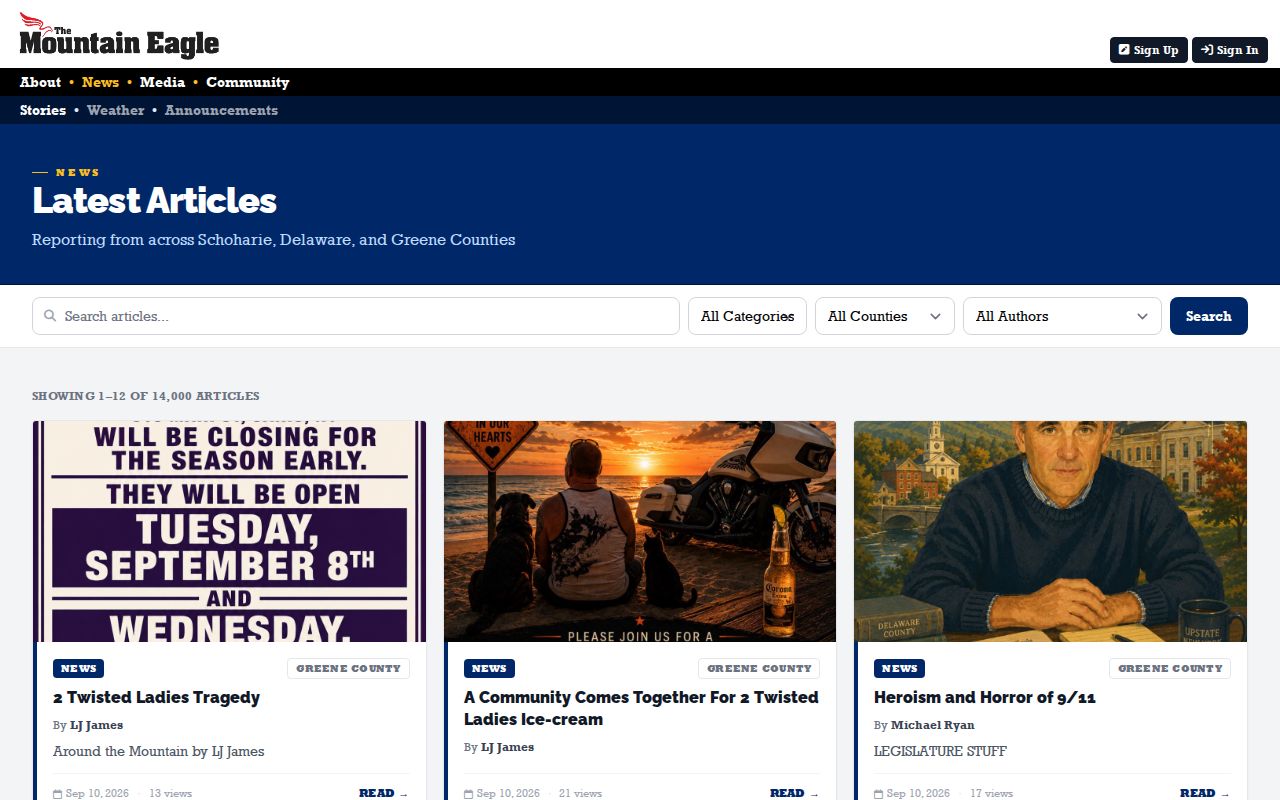
The archive can supply leads across several days. It is not an exhaustive arrest log. A specific Cobleskill Police notice reported by Mountain Eagle shows the difference between an article and a live custody record.
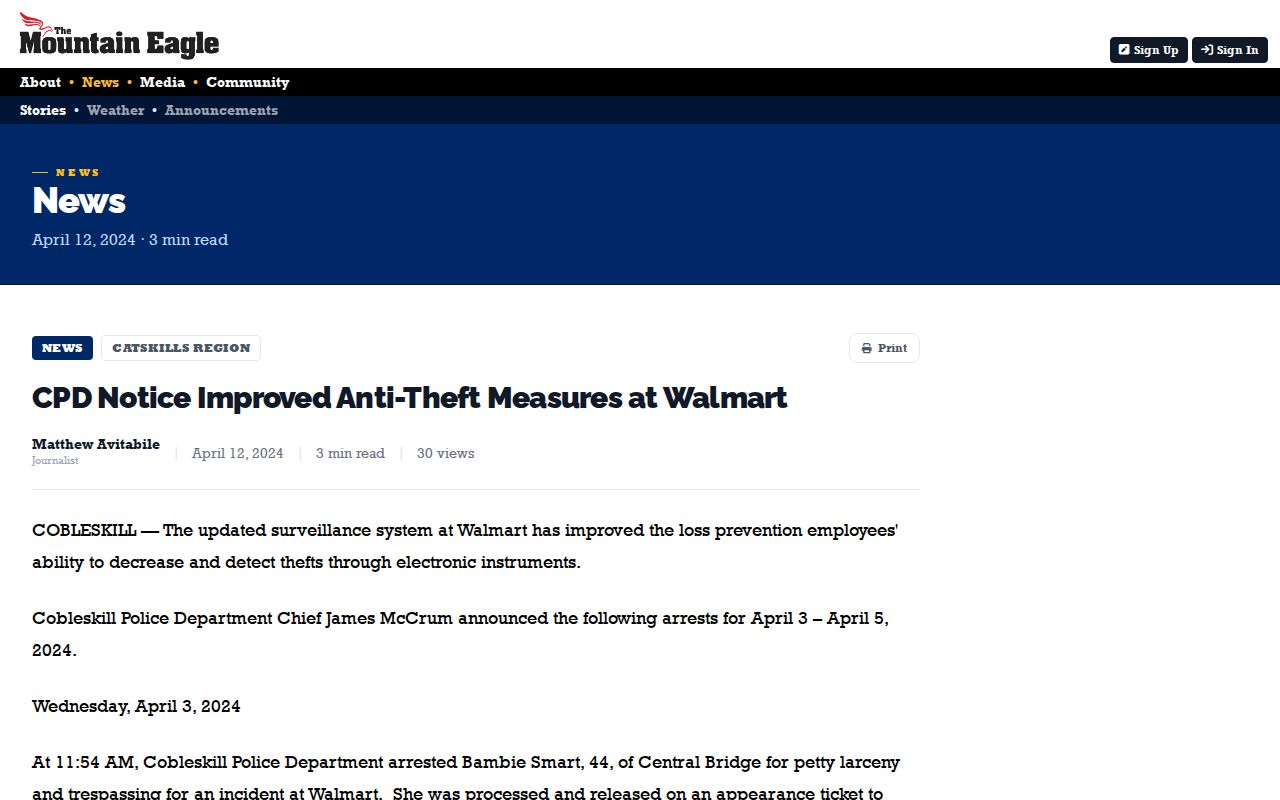
The notice preserves dated context; the jail and court remain the better sources for custody and disposition.
Private Schoharie Arrest Archives
RecentlyBooked comes closest to a county-local rolling view. Its page lists 36 records in a last-30-days view. It displays 16 on the first page, with a September 8, 2026 update time shown. The local page describes multiple daily refreshes. Its FAQ says frequency varies by county and is often daily. Those are publisher claims, not a county service standard. Mugshots.com carries a Schoharie County list dominated by records from 2012 and 2013. It is historical and privately run. It has no verified current cadence. JailExchange offers county directory pages but no live local interface, record count, or photo policy. Arrests.org, Busted Newspaper, and Mugshots.zone list no current Schoharie County section. The private Mugshots.com Schoharie page shows why dates and source ownership both need checking.
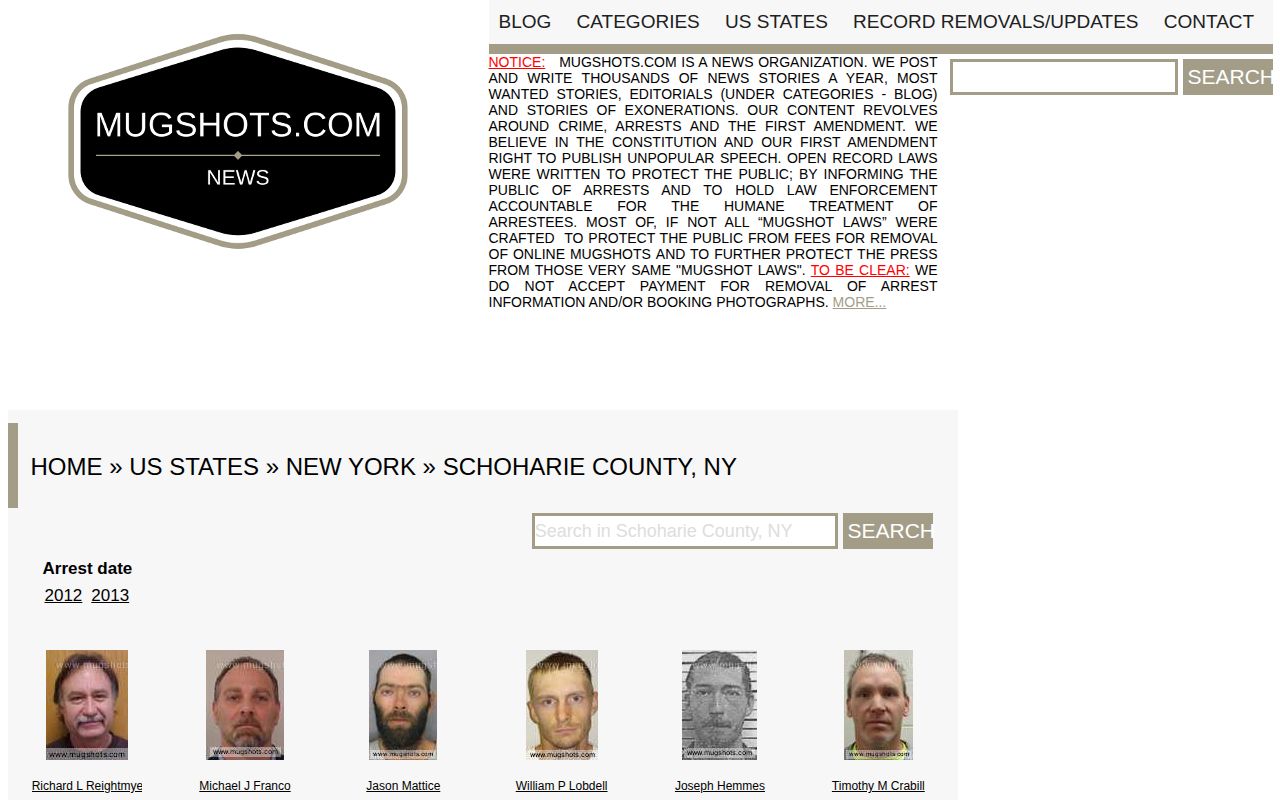
That page belongs to a third party. Treat it as context on outside coverage, not a hosted gallery or a live custody record for Schoharie County.
Schoharie Arrest Records Beyond Blotters
When a blotter entry disappears from a website, the county record behind it usually survives. New York keeps local government records on a formal retention plan. It is called the LGS-1 schedule. That schedule assigns each record series its own lifespan. A master summary of prisoner commitments and discharges is permanent. A prisoner data file generally survives 15 years after death or discharge. If that file replaces the master summary, it too becomes permanent. Arrest logs, case files, and identification photographs can follow separate rules. Retention and public access are two different things, though. A custodian may keep the file anyway. Sealing rules, privacy limits, or law-enforcement exemptions can still block public access. A third-party page can also linger online long after an official matter is sealed. The State Archives holds no dedicated collection of digitized Schoharie County booking photographs. For an older arrest, contact Sheriff Records Management. Give the name, the approximate date, and the arresting agency. State the exact record type you want. Ask which LGS-1 series applies. Ask whether the record stays with the county or moved to an archive. The county's recent arrest records overview goes further. It lays out FOIL and court-source paths for Schoharie County arrest records.
Police Blotter Allegations Change
A police release or news blotter is just one moment in a case. Charges can change later. They may be amended, reduced, dismissed, or superseded as the matter moves through court. For proof of the final outcome, request a Certificate of Disposition from the court. For current custody, check with the county jail. Keep both of those steps separate from any publisher's archive. An archive can be selective, delayed, or stale.